Essential Water Insights

Discover why clean, safe water is vital for health and daily living.

water-quality
water-filter
water

What is Chlorine?

Chlorine is a chemical commonly used to disinfect water, but it can also affect skin, hair, and overall health.

What is Chloramine?

Chloramine is a disinfectant made from chlorine and ammonia, commonly used in tap water but harsh on health and skin.

What is Lead?

Lead is a toxic metal that can enter water through old pipes and pose serious health risks.
PFAS

PFAS in Drinking Water

PFAS (Per- and Polyfluoroalkyl Substances), often called “forever chemicals”, are man-made compounds widely used in products like non-stick cookware, food packaging, and firefighting foams. Unfortunately, they don’t break down easily in the environment, which means they can end up in our water supply.

Why PFAS Are a Concern

Even in small amounts, PFAS exposure has been linked to health risks:

PFAS Drinking Water 1

PFAS

forever chemicals

Did You Know?

The Hidden Truth About Shower Water

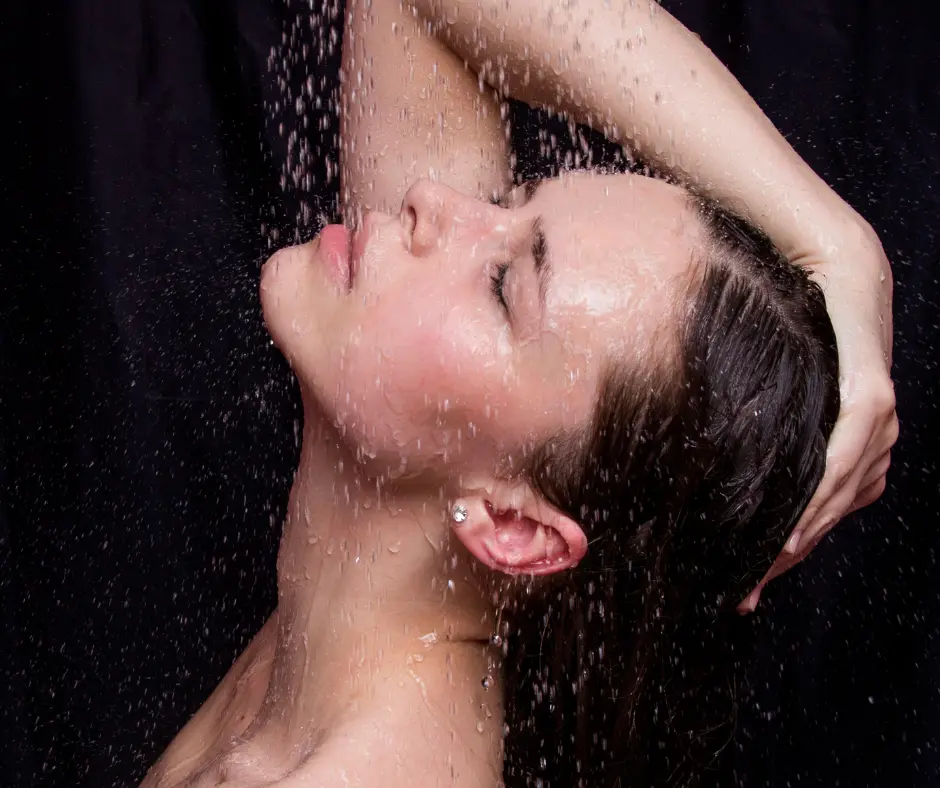
Most shower water isn’t as clean as it looks. It can contain chlorine and other impurities that dry out skin, irritate eyes, and affect your health. Clean, filtered water makes every shower safer and more refreshing.

The Shower Effect

Your skin is your body’s largest organ, and it absorbs what it comes in contact with. Unfiltered shower water may contain chlorine, heavy metals, and other chemicals that can affect your skin, hair, and overall health.

Refined Shower Water

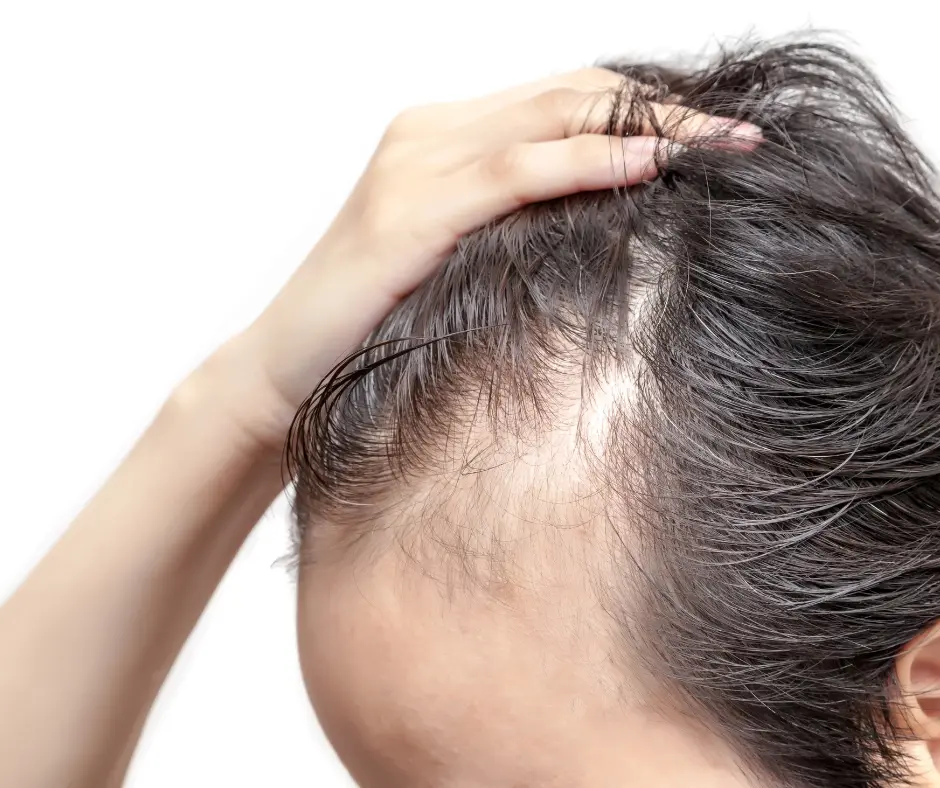
Hard water, chlorine, and sediments can cause dryness, irritation, and damage over time. Using a shower filter ensures cleaner, softer water, helping protect your skin, hair, and overall wellbeing.

Chlorine Reduction

Chlorine and chloramines are commonly added to tap water for disinfection, but they can strip natural oils, leading to dryness and irritation. A quality shower filter effectively reduces these chemicals, making your showers healthier and refreshing.

Chlorine and other impurities

Water Smells Bad

If your water has a strange odor—like rotten eggs or chlorine—it’s a sign of impurities or bacteria.

What Causes My Water to Smell Bad?

Unpleasant water odors often come from chemicals and treatments used to keep public water safe. Chlorination is common, releasing chlorine or chloramines that can leave a strong smell. While these chemicals protect against bacteria, they can make your water smell and taste off, especially when heated for showers or cooking.

Public Water Chlorination

Most city water supplies use chlorine or chloramines to disinfect water. While effective at killing harmful microbes, these chemicals can react with natural minerals in water, creating noticeable odors. Filtering your water at home can reduce these smells and make your water cleaner, fresher, and safer for daily use.

4 mg

per litre is considered safe.

3%

of Earth’s water is fresh.

Future of Water

Water & Sustainability

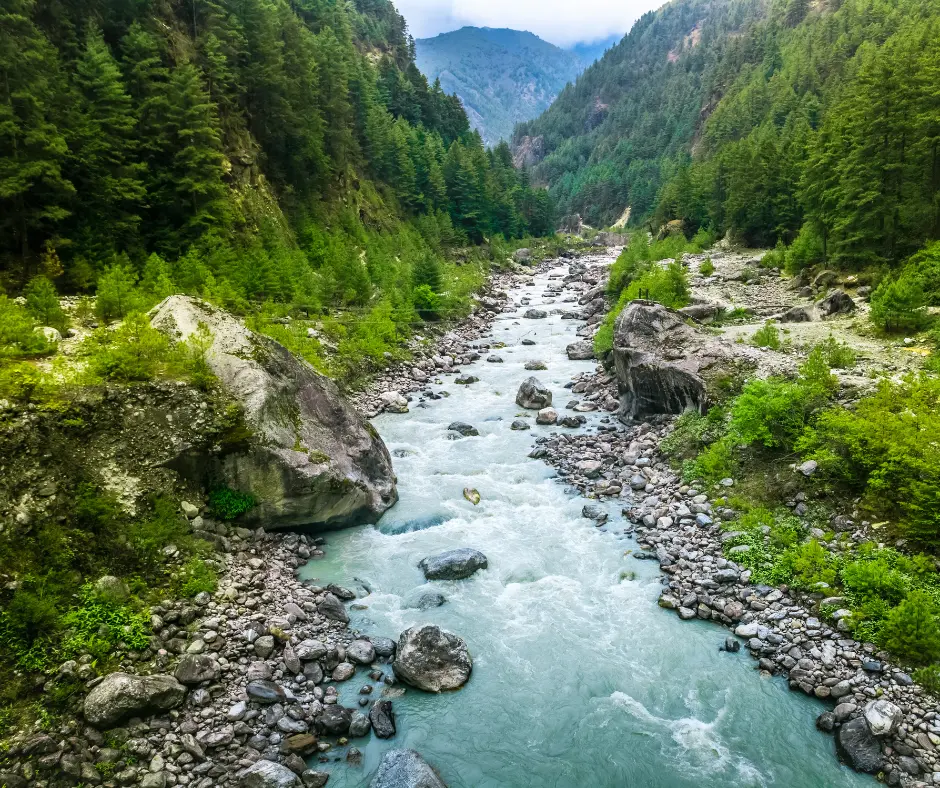
Water is our planet’s most precious resource, yet it’s often taken for granted. By understanding how water is used, treated, and conserved, we can make smarter choices that protect both our health and the environment.

💧 Did you know?

  • Only 3% of Earth’s water is fresh, and less than 1% is accessible for human use.

  • A single leaky tap can waste up to 20,000 liters a year.

  • Using water-efficient appliances can cut household water use by 30% or more.

  • Treating and reusing water reduces pollution and supports long-term supply.

Making small changes at home, like filtering your water, fixing leaks, and reducing waste, plays a huge role in protecting our future supply of clean water.

Putting Your Water to the Test

ABOUT WATER TEST

A professional water test is the first step to knowing your home’s water quality. By sampling and analyzing, we identify impurities and give you clarity and peace of mind.

Scroll to Top