
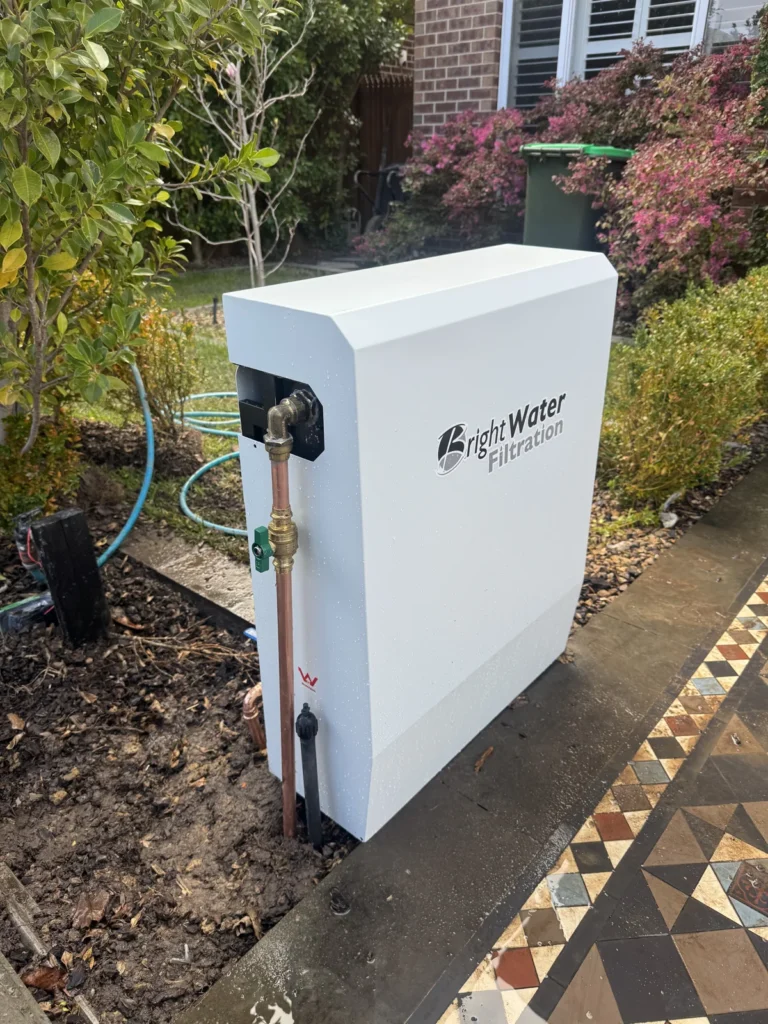
Is a Whole House Water Filtration System Worth It in Australia?
Better water is a personal choice. Here’s how to weigh up the benefits, installation costs and ongoing care before you commit.
Published · Bright Water Filtration
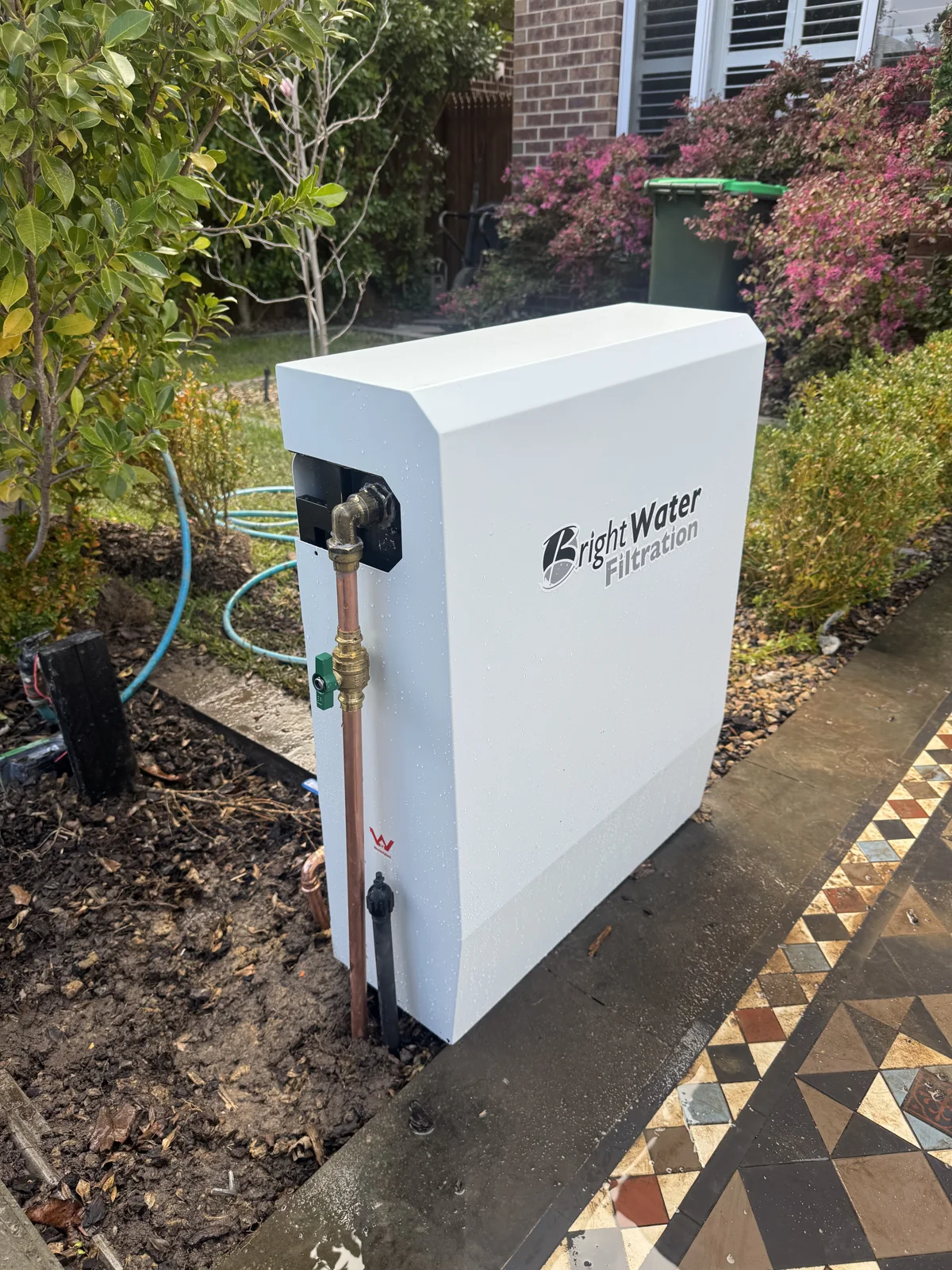
Is whole house water filtration worth it? It can be if you want to improve chlorine taste and odour, manage sediment, or have filtered water at connected showers and taps throughout your home. If your only concern is drinking water at the kitchen sink, a smaller system may be a better fit.
The decision comes down to your water supply, expectations and willingness to maintain the filters. Start with what you want to change, then compare the equipment and ongoing costs needed to achieve it.
What Is a Whole House Water Filtration System?
A whole-house system is installed at your property’s main water entry point. It treats incoming water before it travels to connected kitchen taps, showers, bathrooms and appliances.
Coverage depends on the plumbing layout. Some outdoor taps, irrigation lines or separate supplies may remain unfiltered. Confirm the included outlets with your installer rather than assuming every pipe passes through the system.
Explore our whole house water filtration systems to see the available enclosures and configurations.
How Does Whole House Water Filtration Work?
Bright Flow uses three filtration stages in full-size 20-inch × 4.5-inch housings. Bright Flow White and Grey have powder-coated stainless steel covers, with access for routine cartridge changes.
The 1-micron sediment stage captures suspended particles such as sand, silt and rust within its filtration rating. It also helps limit particle loading on the following stages.
Coconut-shell carbon with KDF media provides the next treatment stage. Appropriate carbon filtration helps reduce chlorine taste and odour; specific reduction claims depend on the fitted cartridge.
A further carbon filtration stage refines the water’s taste and odour. Confirm the exact cartridge configuration and documented performance when ordering.
Three stages do not mean every contaminant is removed. Sediment and carbon filtration are different from reverse osmosis, disinfection and water softening. Choose treatment for the substances or conditions you actually need to address.
6 Benefits of Whole House Water Filtration
1. Better-tasting and smelling water
Carbon filtration can reduce chlorine taste and odour. For households that notice these characteristics in drinking water, tea or cooking, the change can make everyday tap water more enjoyable. Results depend on the cartridge and incoming supply.
2. Reduced sediment and suspended particles
A sediment cartridge helps capture particles before they reach downstream outlets. This can be useful where rust or sediment is an ongoing concern. Persistent discolouration or a sudden change should still be investigated with your water retailer or plumber.
3. Filtered water for showers and bathrooms
A point-of-entry system extends filtration beyond a single drinking-water tap. Connected showers, baths and bathroom taps receive treated water too. This is a convenience and water-quality preference, not a guarantee of improvements to skin conditions or hair health.
4. Household plumbing and appliance considerations
Reducing sediment can help limit particles entering connected fittings and appliances. However, standard sediment and carbon filters do not remove the dissolved hardness minerals responsible for scale. Continue normal appliance care and assess hardness separately if it is a concern.
5. Convenient whole-home filtration
One centrally installed system can serve multiple rooms without separate filters at every outlet. It is particularly practical when several people use different bathrooms. Allow accessible space for servicing, and match system flow to simultaneous household demand.
6. Less reliance on bottled water for taste preferences
If taste is why you buy bottled water, suitable filtration may make tap water a more appealing alternative. Potential savings and reduced packaging depend on your current habits; neither outcome is automatic.
Is Australian Tap Water Safe Without a Filter?
Australian mains drinking water is generally treated and monitored under relevant state and territory requirements, informed by the Australian Drinking Water Guidelines. A filter is not automatically necessary to make a compliant supply safe.
Households may still choose additional filtration for taste, odour, sediment or a particular water-quality concern. Tank and bore supplies need their own assessment. Check your retailer’s reports and investigate unusual changes rather than assuming a general-purpose filter will solve them.
Always follow local water advisories. A standard whole-house sediment and carbon system should not be treated as a substitute for instructions issued during a contamination incident.
How Much Does Whole House Water Filtration Cost in Australia?
There is no useful single price for every property. The system, cartridge configuration, pipework access, installation position and any additional plumbing all affect the total. Bright Water provides property-specific quotes for whole-house systems rather than one universal installed price.
Current published filter-care options are:
| Option | Published price (AUD) | What it covers |
|---|---|---|
| Self-Change Filter Pack | $330 | Replacement filters supplied for owner changeover; no on-site replacement. |
| Supplied & Replaced | $499 | Three cartridge replacements, labour, system health check, pressure test and inspection of housings, fittings and connections. |
Prices checked on 2 November 2026 against the filter replacement service. Confirm compatibility, delivery, service availability and any work outside a standard changeover before ordering.
For a realistic budget, request the installed price and expected maintenance costs together. Ask what the quote includes, which cartridges will be fitted, and what warranty conditions apply. Do not assume a replacement-pack price is the cost of a new whole-house system.
How Often Should Whole House Water Filters Be Replaced?
For Bright Flow, plan around the following recommended schedule, with earlier changes where water conditions or household usage require them:
| Bright Flow stage | Recommended replacement |
|---|---|
| Stage 1 sediment filter | Every 6–8 months |
| Stage 2 filter | Every 12–15 months |
| Stage 3 filter | Every 12–15 months |
The Bright Flow Replacement Filter Package includes three replacement filters plus one FREE additional sediment filter. The extra sediment cartridge supports a mid-year change, helping cover approximately 12 months of routine maintenance depending on water conditions and use.
Record replacement dates and pay attention to changes in flow, taste or odour. Clear-looking water does not prove that a cartridge still has treatment capacity. Follow the system’s isolation, pressure-release, hygiene and flushing instructions, or arrange professional servicing if you are unsure.
Whole House Water Filter vs Under Sink Water Filter
These systems serve different purposes. An under-sink filter is not necessarily a smaller version of a whole-house filter: its technology may also be different.
| Consideration | Whole-house system | Under-sink system |
|---|---|---|
| Filtration coverage | Connected outlets downstream of the main entry point. | A dedicated kitchen drinking-water outlet. |
| Main purpose | Whole-home taste, odour and sediment management. | Targeted drinking and cooking water treatment. |
| Installation | Connection to incoming plumbing; suitable service space required. | Cabinet space and tap connections; RO may also need a tank and drain connection. |
| Maintenance | Scheduled cartridge changes based on whole-home use. | Cartridge changes and, for RO, membrane care according to the model. |
| Suitable households | Those wanting filtration across bathrooms and other rooms. | Those mainly concerned with drinking water at the kitchen sink. |
Read our whole-house versus under-sink comparison, or explore under-sink water filters for a focused kitchen option. Some homes choose both when their treatment goals differ.
Who Should Consider Whole House Water Filtration?
It is worth considering if you notice chlorine taste or odour at multiple outlets, have recurring sediment concerns, or simply prefer filtered water throughout the property. It is less compelling if you are happy with your supply and only want occasional filtered drinking water.
Local water characteristics and property plumbing matter. Explore whole house water filtration in Melbourne, Brisbane whole-house filtration options or whole-house filtration in Adelaide for your location. Share your suburb, water source, bathrooms and main concerns when requesting advice.
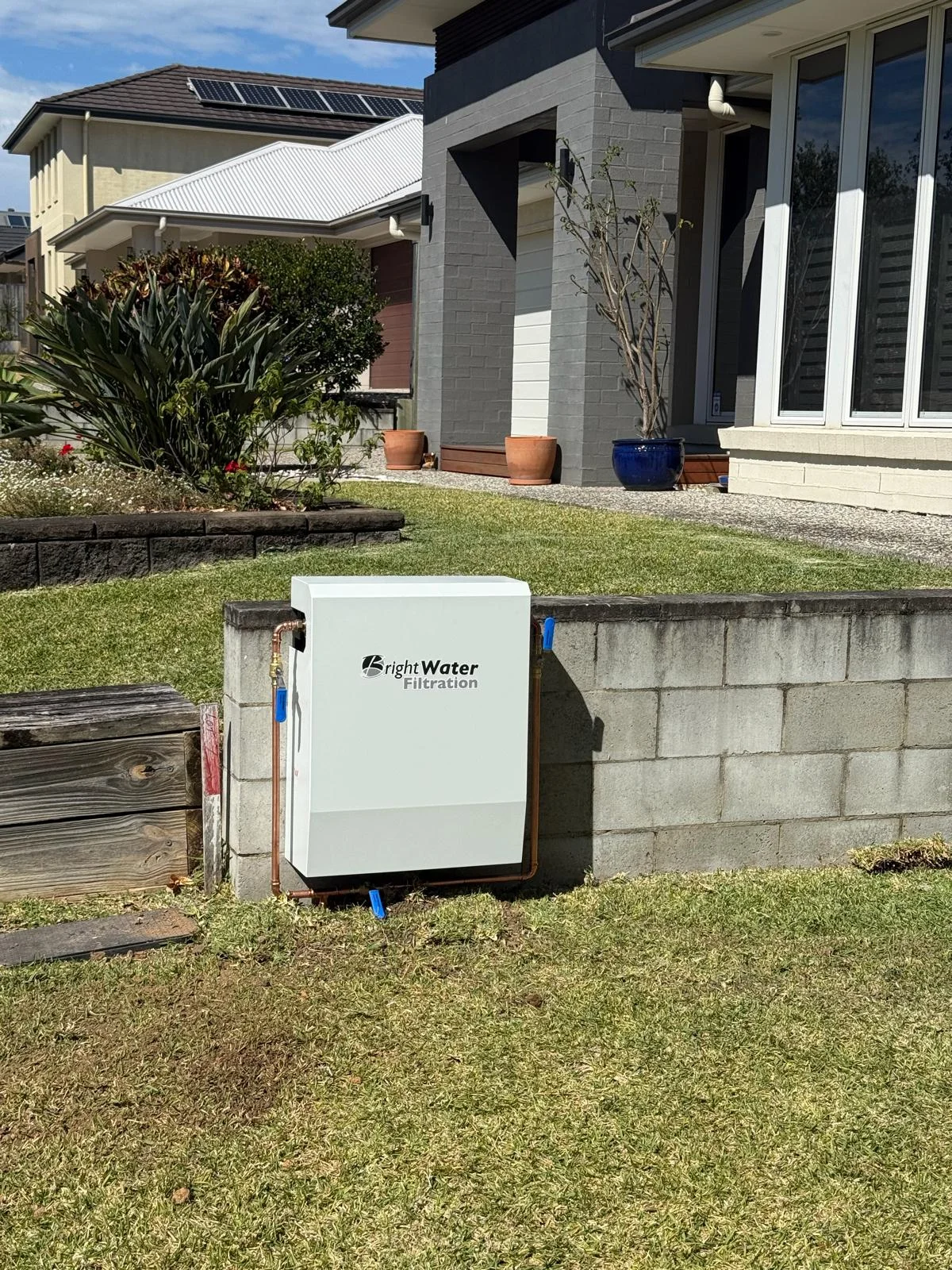
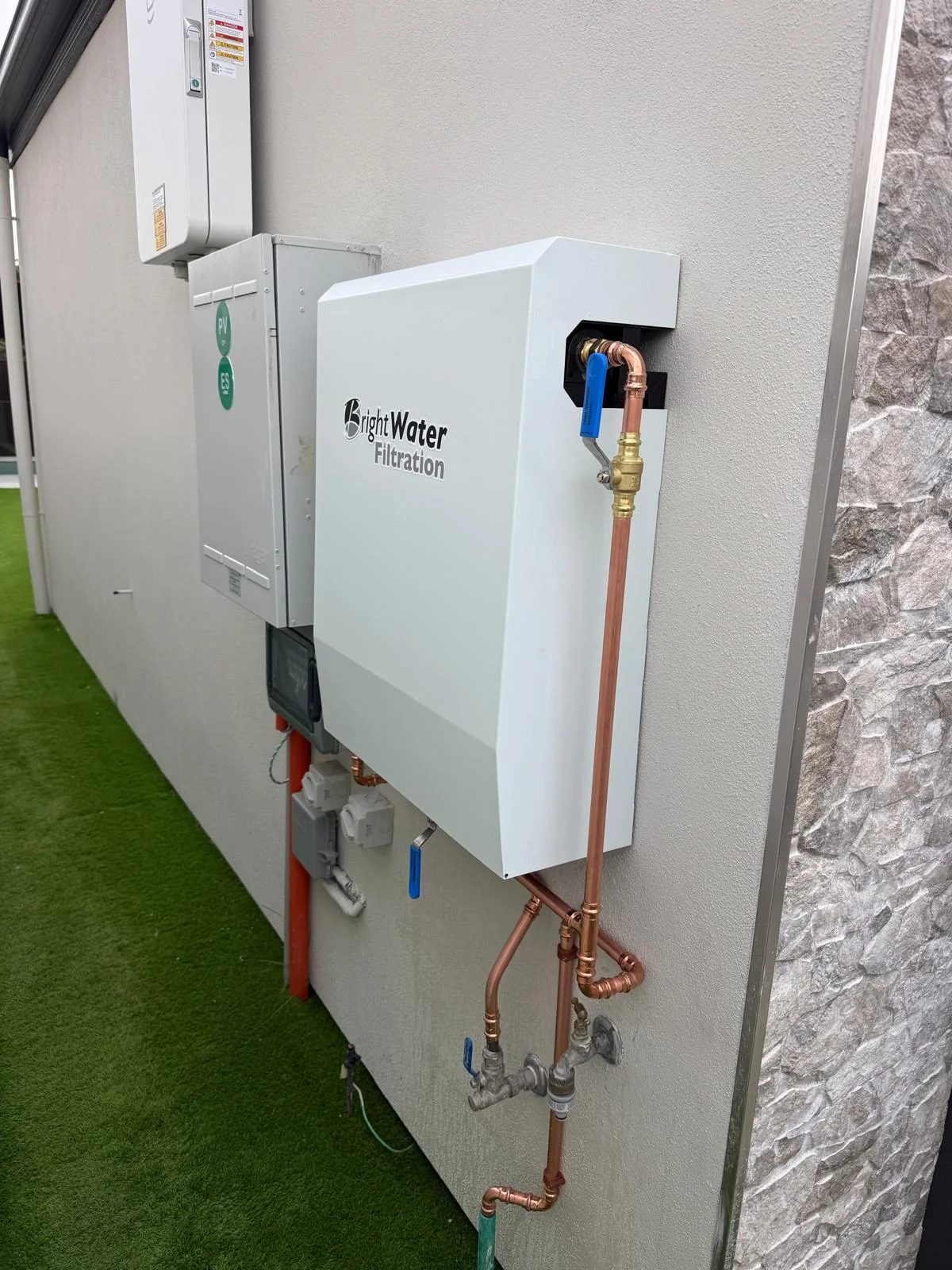
Our recent installation photos show how systems fit into different homes. An installer should still assess access, pressure, service clearance and the particular branches to be filtered.
Is Whole House Water Filtration Worth the Investment?
Whole-house filtration can be worthwhile when its benefits match your daily priorities and you are comfortable budgeting for ongoing filter care. The strongest case is a clear whole-home need, a suitable cartridge configuration and a practical installation.
An under-sink system may be more appropriate when your priority is drinking water only, cabinet space is available and treating bathroom water adds little value for you. Decide on the outcome first, then choose the system. A good recommendation should explain both what it can improve and what it cannot.
Frequently Asked Questions
Does a whole-house filter remove chlorine?
Appropriate carbon filtration can reduce chlorine taste and odour. Performance depends on the cartridge, flow, contact time and remaining capacity. Chloramine is a different treatment challenge; confirm specific performance rather than assuming every carbon cartridge treats both equally.
Does a whole-house filter remove fluoride?
Do not expect standard Bright Flow sediment and carbon filtration to remove fluoride. If fluoride reduction is your goal, discuss a system with documented performance for it. Some reverse-osmosis systems can reduce fluoride; verify the particular model’s specification.
Can a whole-house filter soften hard water?
Ordinary sediment and carbon filters do not soften water by removing dissolved calcium and magnesium. Hardness may require a dedicated softener or other specifically assessed treatment. Filtration and softening are different processes.
How long do whole-house water filters last?
Cartridges are consumables. Bright Flow’s recommended intervals are 6–8 months for Stage 1 and 12–15 months for Stages 2 and 3, subject to conditions and use. The housing and enclosure have a separate service life; inspect and maintain them according to the system instructions.
Does whole-house filtration affect water pressure?
Every filter introduces some resistance to flow. Correct sizing helps manage the effect, while loaded cartridges may cause a noticeable reduction. Have incoming pressure, simultaneous demand and installation pipework assessed before choosing a system.
Can I install a whole-house water filter myself?
Arrange a qualified, appropriately licensed plumber for connection to the main water supply and compliance with local requirements. Initial installation is different from routine cartridge replacement, which may be suitable for an owner following the system’s maintenance instructions.
Is a whole-house filter better than reverse osmosis?
Neither is universally better. Whole-house sediment and carbon filtration provides broad coverage. Reverse osmosis uses a membrane to reduce a range of dissolved substances, usually at a dedicated drinking-water tap. Match the technology to your water concerns and required coverage.
Further reading: CDC guidance on home water treatment technologies. Product configuration, maintenance and pricing information: Bright Water Filtration, checked 2 November 2026.
Better Water Starts at Home.
Explore Bright Water Filtration’s whole-house systems and find the right solution for your home in Melbourne, Brisbane or Adelaide.