
You’ve probably noticed it: you turn on the shower, and within a few seconds there’s that unmistakable “pool” smell drifting through the bathroom. It’s stronger in the shower than it is from the kitchen tap, and it can leave your skin feeling dry or your hair feeling a bit stripped after washing. If you’ve ever wondered why, the answer comes down to one thing: chlorine.
Here’s what’s actually going on, why it’s more noticeable in some parts of the house than others, and what you can do about it.
Why Is Chlorine in Melbourne’s Water at All?
Chlorine (or chloramine, a chlorine-ammonia compound used by some water authorities) is added deliberately during treatment. Its job is to disinfect the water and stop bacteria and other pathogens from growing as the water travels through kilometres of underground pipe network before it reaches your home.
This isn’t a flaw in Melbourne’s water system, it’s actually a critical part of what keeps tap water safe to drink across the whole city. Without it, water sitting in pipes for hours or days would be a breeding ground for bacteria. So the smell you’re noticing isn’t a sign anything’s gone wrong. It’s the system working as intended.
Why Does It Smell Stronger in the Shower Than From the Tap?
This is the part that trips a lot of people up, since it seems counterintuitive that the same water smells different in different rooms. There are a few reasons:
1. Heat Releases More Chlorine Vapour
Chlorine is more volatile in warm water. When you run a hot shower, the heat causes chlorine to evaporate out of the water and into the air far more readily than it does from a glass of water at room temperature. Combined with the enclosed, steamy environment of a shower, that vapour becomes much more noticeable to your nose.
2. Surface Area and Spray
A showerhead breaks water into fine droplets across a large surface area, which speeds up the release of dissolved chlorine into the air compared to water simply flowing out of a tap.
3. You’re Standing Right In It
Unlike filling a glass and walking away, you’re standing directly in the steam and spray for several minutes, giving your nose (and skin) much more prolonged exposure.
Is This Actually a Problem?
From a safety standpoint, no. Chlorine at the levels used in municipal water treatment is regulated to be safe for daily use, including showering. But “safe” doesn’t mean everyone loves the experience of it. Common, non-dangerous side effects some people report include:
- Dry or itchy skin after showering
- Hair that feels stripped, brittle, or “squeaky” rather than soft
- A lingering chemical smell in the bathroom after showering
- Mild eye or throat irritation for those more sensitive to it
People with eczema, sensitive skin, or coloured/chemically treated hair often notice these effects more than others, which is part of why chlorine smell is such a common household complaint even though the water itself is technically fine. This ties into the broader question of what’s actually in Melbourne tap water beyond just chlorine, and how those factors affect skin and hair over time.
Does It Vary by Suburb?
Somewhat. Chlorine dosing can vary slightly depending on how far your home is from the treatment plant and how long the water has been sitting in the network before reaching your tap. Homes further along the distribution network, or in areas with older infrastructure, sometimes notice it more, though this isn’t something you can generalise precisely without knowing your specific supply zone.
What Can You Actually Do About It?
There are a few approaches, depending on how much it bothers you and which parts of your water use you want to address:
Shower Filters
A simple, inexpensive option that attaches directly to your showerhead and reduces chlorine specifically for shower water. Good for a quick fix, but doesn’t touch water used anywhere else in the home.
Letting Water Sit
Chlorine does dissipate somewhat if water is left standing (this is why some people fill a jug and leave it in the fridge overnight for drinking water). Not practical for showering, obviously, but useful context for how chlorine behaves.
Whole House Filtration
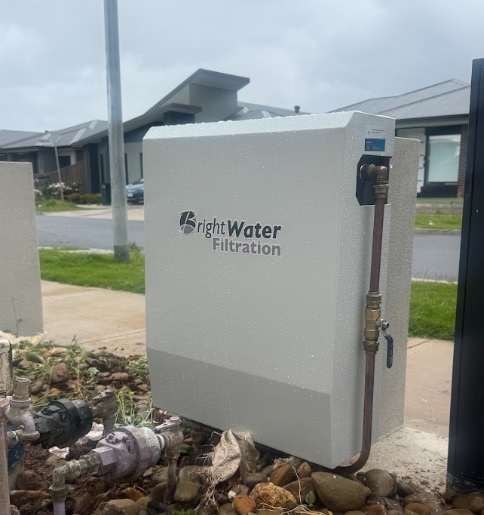
For households where the chlorine smell (and its effects on skin, hair, and appliances) is a daily annoyance across multiple taps, not just the shower, a system installed at the main water line treats water before it reaches any tap in the house, kitchen, bathroom, laundry, and hot water system included. This tends to be the option people land on when a shower filter alone doesn’t fully solve the issue, since it addresses the water at the source rather than one outlet at a time.
If you’re weighing up whether this makes sense for your household, it’s worth looking at what a whole house water filtration system for a Melbourne home actually involves, in terms of install process and what it addresses, before deciding whether a smaller, single-tap fix is enough for your situation.
The Bottom Line
That chlorine smell in your shower isn’t a red flag, it’s a normal side effect of how Melbourne’s water is safely treated before it reaches your home, made more noticeable by heat, spray, and prolonged exposure in the bathroom specifically. Whether it’s worth addressing comes down to how much it bothers you day to day, and whether you’re looking for a quick single-point fix or a more complete whole home water solution.
This article is general information based on how municipal water treatment works. For specifics about your suburb’s water supply, check with your local water authority.